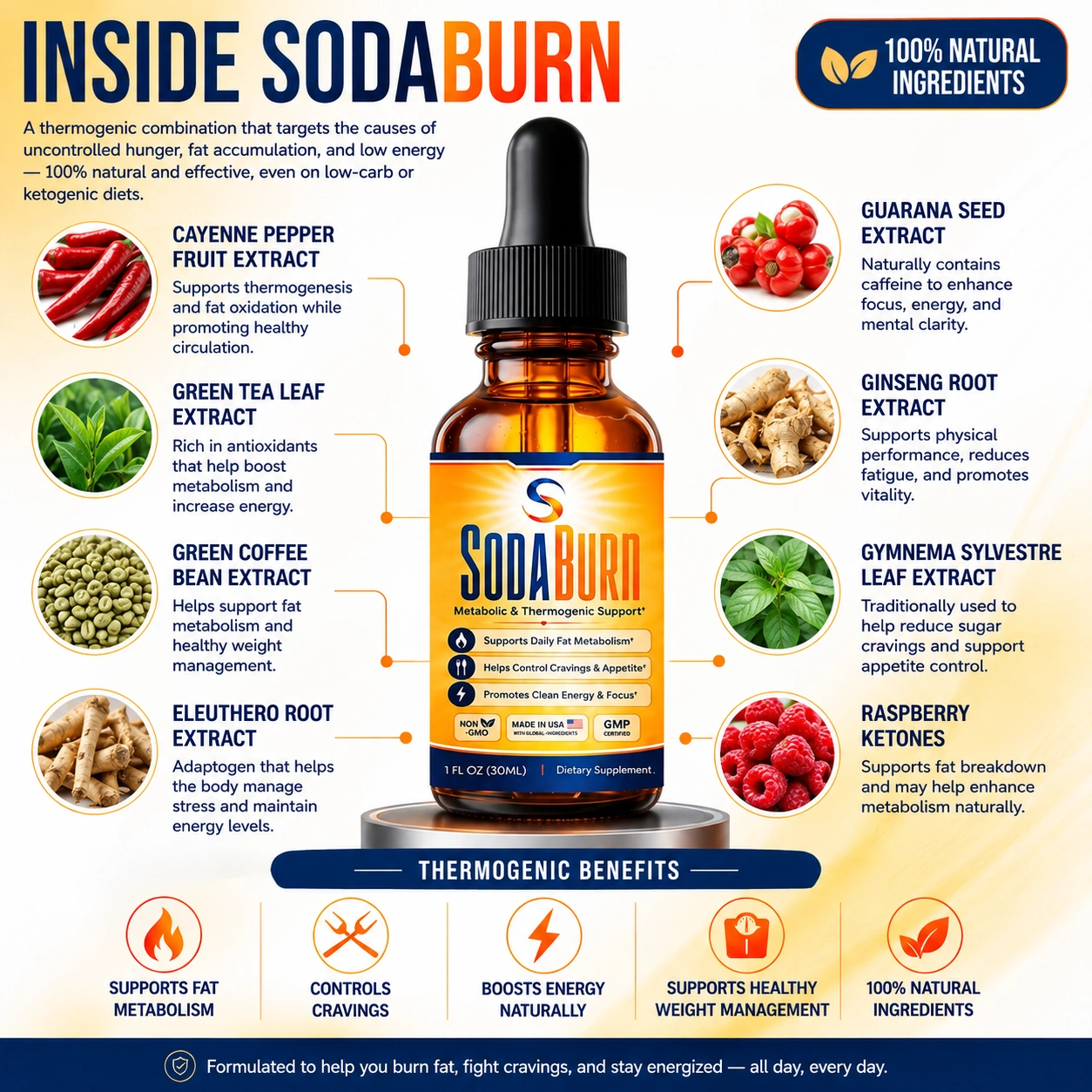
Why the category is full of disappointment
The weight-loss supplement market is crowded with products listing fifteen or twenty ingredients under a "proprietary blend," with individual doses hidden behind a single combined weight. An impressive front label sells the bottle; most buyers never check whether any single ingredient is dosed meaningfully.
Five red flags on any label
1. Proprietary blends. No individual amounts means no way to verify dosing.
2. Disease claims. Any product claiming to "cure obesity" or "reverse diabetes" is making an illegal claim under US supplement law.
3. Extreme stimulant stacks with vague labeling. "Proprietary energy complex" often hides an undisclosed total caffeine load stacked across multiple sources.
4. A short, restrictive guarantee. A 14-day window requiring unopened bottles is designed to expire before a fair trial.
5. No real contact information. A legitimate manufacturer has a traceable address and working support.
What a trustworthy label looks like
Every ingredient with its own disclosed amount. A formula built around a defined mechanism rather than a long list of trendy names. Manufacturing in an FDA-registered, GMP-certified facility. A guarantee running 60+ days that accepts opened bottles.
Simple test: Can the brand explain, in one sentence, why each ingredient is in the formula and roughly what dose the underlying research used?
Why fewer, better-dosed ingredients usually win
Six well-researched ingredients at meaningful doses, each targeting a distinct mechanism, is generally a stronger bet than twenty ingredients spread across a fixed manufacturing budget at doses too small to individually matter.
The guarantee is the most honest part of any label
Refund terms reveal more about a brand's actual confidence than any front-label claim. Check whether the window starts at purchase or delivery, and whether a minimum usage period is required before claiming — 30 days minimum use with a 60-day claim window reflects a realistic understanding that metabolic supplements need time to show an effect.
Why total stimulant transparency matters
If a formula includes multiple caffeine sources (like green tea and guarana together), a transparent label discloses the combined total, not just each source separately buried in a proprietary blend. Knowing your actual total stimulant intake matters for anyone sensitive to caffeine or managing a heart condition.
The one-question test
Before buying, ask: if I had to explain this formula's mechanism to a friend in two sentences, could I? If the label is a wall of unfamiliar names with no clear story, that's usually a sign it was built to look impressive rather than to work.
Price is not a reliable quality signal
A higher price doesn't reliably indicate a better-formulated product — marketing spend and affiliate commission structures inflate the price of many unremarkable formulas. Judge the label on its own merits: disclosed doses, a coherent mechanism, and a real guarantee, independent of what the price tag implies about quality.
Reading customer reviews with the same scrutiny
Reviews deserve similar skepticism to marketing copy. A cluster of reviews posted within days of each other using suspiciously similar phrasing is worth noticing. Genuine reviews tend to include specific, sometimes mundane detail rather than reading like polished ad copy.
Six Ingredients, One Daily Dropperful
Non-GMO. Made in the USA. 60-day guarantee.
Order Now — From $49