What thermogenesis actually means
Thermogenesis is the metabolic process of generating heat, and it requires energy — specifically, calories burned. Your body is thermogenic constantly, even at rest, simply to maintain core temperature and keep basic cellular functions running. The rate at which this happens is your basal metabolic rate, and it accounts for the majority of daily calorie expenditure for most people, even before exercise is factored in.
When a supplement or ingredient is described as "thermogenic," the claim is that it modestly increases this calorie-burning process above its baseline rate — not that it creates dramatic, unlimited fat loss on its own.
How EGCG catechins support the process
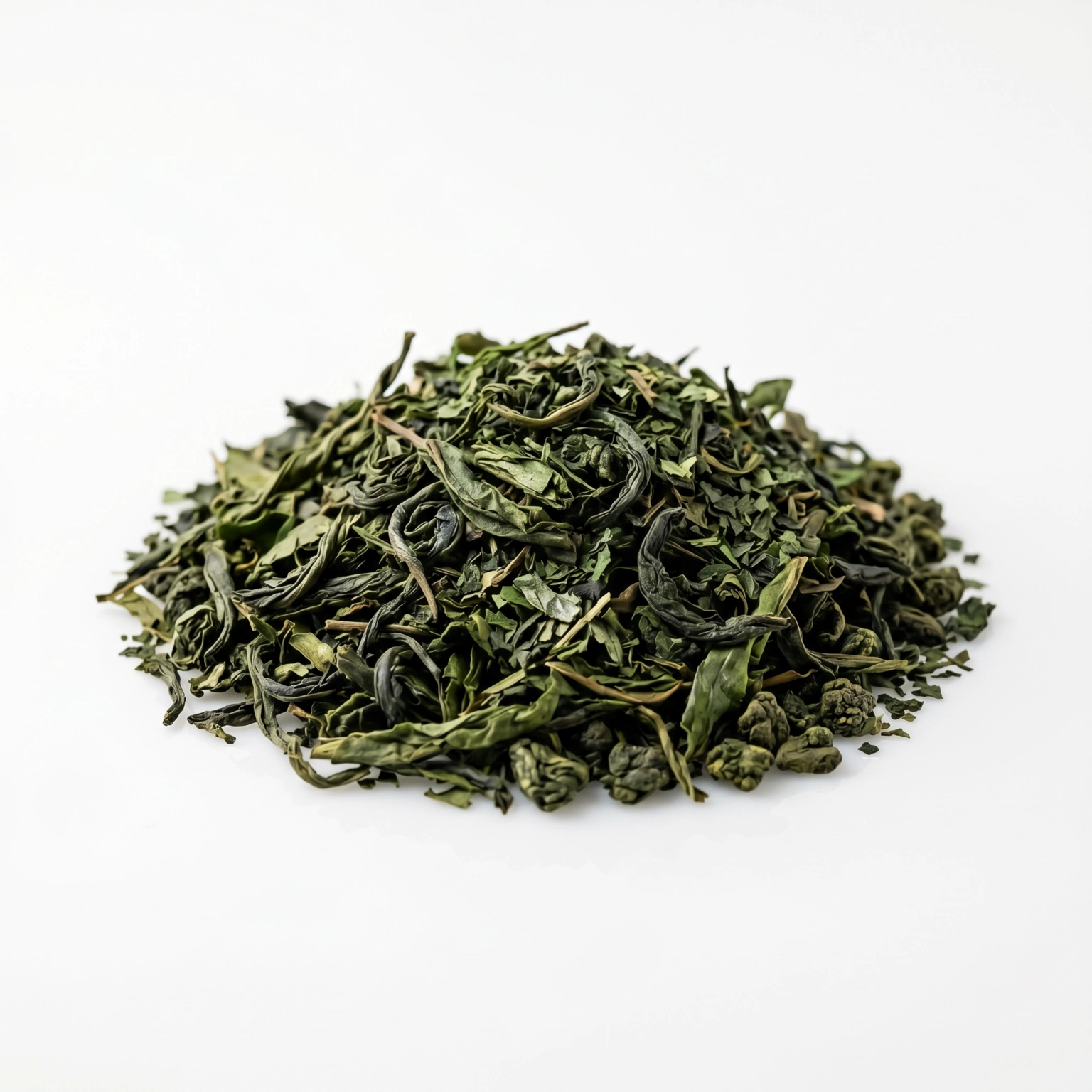
Green tea's primary active compounds, catechins (particularly EGCG), have been studied for their role in inhibiting an enzyme called catechol-O-methyltransferase, which normally breaks down norepinephrine — a hormone involved in fat breakdown and calorie expenditure. By slowing that breakdown, EGCG is thought to extend norepinephrine's fat-oxidizing signal, which is the proposed mechanism behind green tea's thermogenic effect.
Research context: Studies combining green tea catechins with a modest amount of caffeine have shown measurable increases in 24-hour energy expenditure compared to caffeine alone — suggesting the catechin-caffeine combination matters, not caffeine by itself.
Why caffeine is part of the thermogenic picture
Caffeine independently stimulates the central nervous system and has its own modest thermogenic effect, partly through similar norepinephrine-related pathways. This is part of why green tea extract (which naturally contains both catechins and caffeine) is more commonly studied for weight-related outcomes than catechins or caffeine in isolation — the combination appears more effective than either compound alone.
Setting realistic expectations for the magnitude
It's worth being precise about scale here: research on thermogenic supplementation typically finds effects in the range of a modest percentage increase in daily energy expenditure — meaningful over time with consistent use, but not a dramatic, single-day transformation. Thermogenic ingredients work as a support to a broader approach (diet, activity, consistency), not as a replacement for it.
Where guarana fits differently than green tea
Guarana's caffeine content is bound within the seed's fiber matrix, which is generally understood to produce a slower, more gradual release compared to greentea's faster-absorbing caffeine. This is part of the rationale for including both: green tea for a nearer-term thermogenic and focus effect, guarana for sustained energy later in the day without a second sharp spike.
Why thermogenic support isn't just about stimulants
It's a common misconception that "thermogenic" is synonymous with "high caffeine." In a well-formulated combination, the thermogenic contribution comes from multiple angles — catechins slowing norepinephrine breakdown, chromium supporting more efficient carbohydrate metabolism, and adaptogens like maca supporting the stress-hormone environment that otherwise works against fat metabolism. Stimulant content is one piece, not the whole mechanism.
The practical takeaway
Thermogenic ingredients provide real, studied support for calorie expenditure — but the effect is a percentage-level nudge, not a shortcut around energy balance. Consistent use alongside reasonable diet and activity habits is what allows a modest daily thermogenic effect to compound into a meaningful difference over weeks and months.
Does timing of intake affect the thermogenic response?
Some research suggests thermogenic compounds may have a modestly stronger effect when taken before physical activity or earlier in the day, aligning the temporary metabolic boost with a period of higher baseline activity. That said, the more consistently supported factor across studies is regular daily use rather than precise timing — a thermogenic ingredient taken inconsistently won't meaningfully compound, regardless of what time of day it's taken on the days it is used.
Why individual response to thermogenics varies
Genetic variation in caffeine metabolism, baseline metabolic rate, and existing activity levels all influence how noticeably an individual responds to thermogenic support. Someone who metabolizes caffeine slowly may feel effects more strongly and for longer; someone with a naturally higher metabolic rate may notice a smaller relative change. This variability is normal and doesn't indicate the underlying mechanism isn't working — it reflects genuine physiological differences between individuals.
Six Ingredients, One Daily Dropperful
Non-GMO. Made in the USA. 60-day guarantee.
Order Now — From $49